We live in a world where borders are increasingly blurred. Travel, education, friendships, and careers often cross languages and cultures, and in this global context, being bilingual is no longer a “nice extra.” It’s a skill that shapes how children think, learn, and connect with the world around them.
Research consistently shows that bilingual children develop strong academic foundations. They tend to have greater linguistic awareness, improved problem-solving abilities, and a better understanding of how language works overall. Beyond school, bilingualism also supports adaptability, since children who speak more than one language often adjust more easily to new environments and unfamiliar situations. In the long term, studies even suggest that bilingualism contributes positively to brain health.
But while why bilingualism matters is important, there is another question that deserves just as much attention: how do children actually learn a language well?
Language Is Learned by Living It
Children don’t fall in love with a language through memorization or worksheets alone. Language is assimilated when it has meaning, such as when it’s used to make friends, laugh, solve challenges, explore new places, and express real emotions. When language has a purpose, motivation comes naturally.
This is why immersive experiences are so powerful.
Learning Spanish in a Real Context
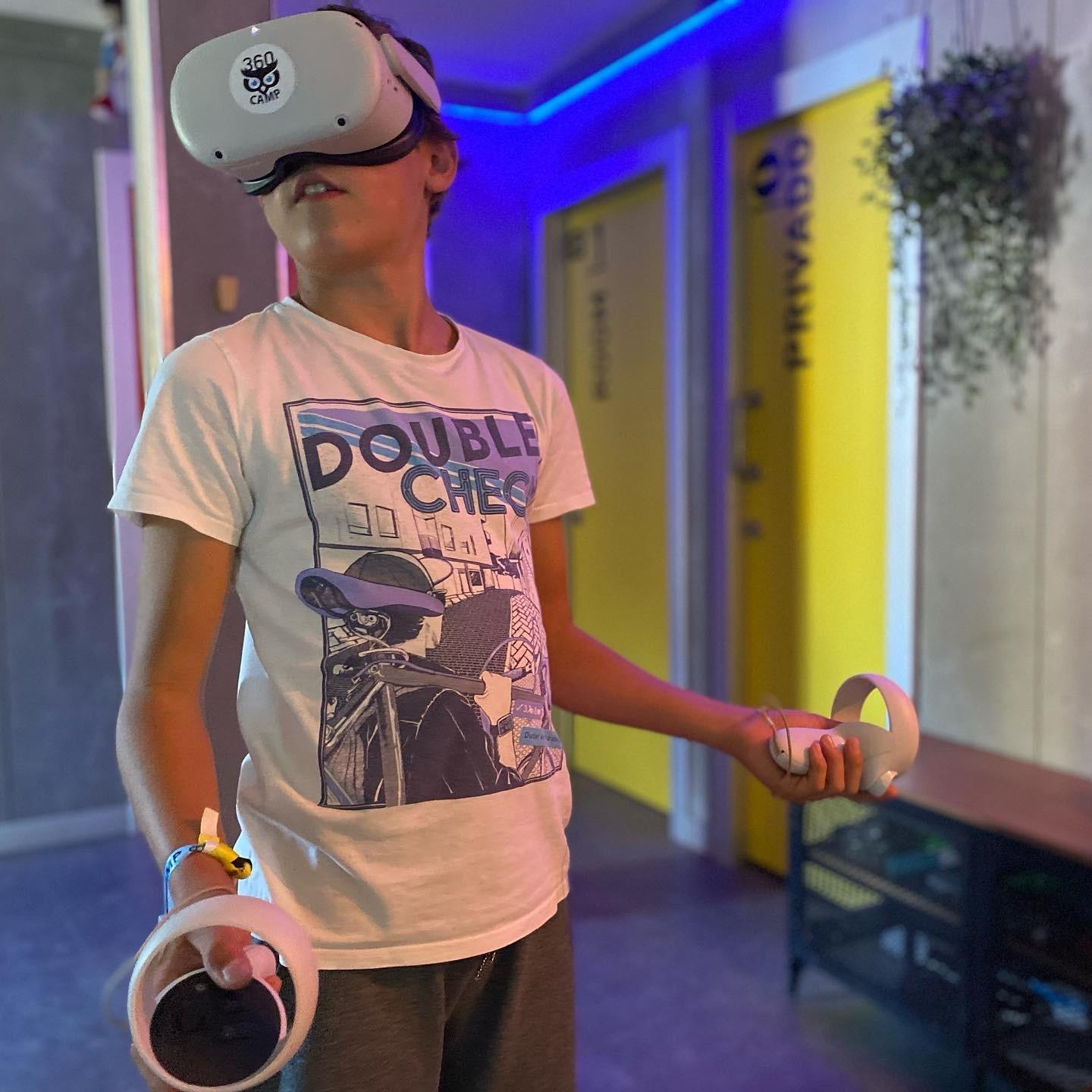
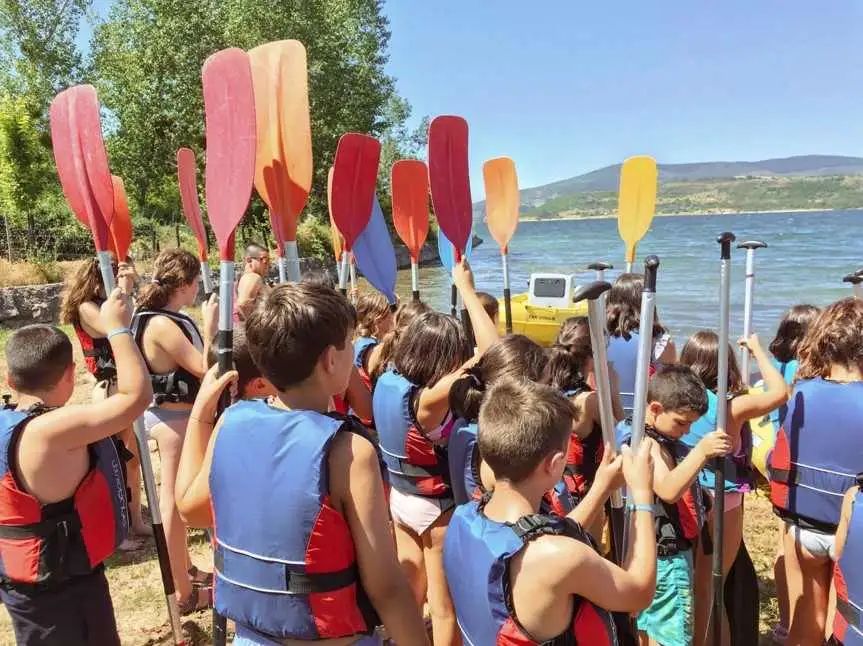
At My Spanish Camps, language learning happens organically, as part of everyday life. Campers use Spanish to communicate with friends, participate in multi-adventure activities, navigate nature, and share unforgettable moments together. With around 90% Spanish campers, the language becomes the natural tool for connection rather than the focus of a lesson.
Instead of feeling like they are “studying,” children feel like they are living a unique summer experience. Spanish goes hand in hand with adventure, friendship, and independence. Therefore, the result is that learning feels effortless and enjoyable.
The Result: Confidence Beyond Language
When children learn a language this way, the impact goes beyond vocabulary or grammar. They gain confidence in their ability to communicate, independence in new environments, and a sense of belonging in a different culture. Those skills last longer than the summer.
If you’d like to explore how an immersive camp experience can support your child’s language development in a natural and engaging way, you can learn more about our programs here.