For many American families, summer camp is more than just a tradition, it’s a rite of passage. But one common question parents ask is: “How old should my child be before going to summer camp?” The answer depends on your child’s personality, the type of camp, and your family’s goals.
In this post, we’ll explore the ideal ages for summer camp, the types of programs available, and how to choose the right experience based on your child’s developmental stage.
Ages 4–5: Day camps for first-time campers
For preschoolers and early elementary-aged children, half-day or full-day camps close to home are often the best option.
At this age, kids are still developing independence. Day camps help them adjust to being away from home while enjoying structured activities like crafts, games, and nature walks. If your child enjoys preschool or playdates, they may be ready for a short camp session.
Signs they’re ready:
- Comfortable with group settings
- Can follow simple instructions
- Enjoys trying new activities
Ages 6–9: Ready for overnight camps or short-stay camps
Children with growing confidence and social skills may be ready for overnight camps lasting 1–3 nights, or even week-long programs.
Kids in this age range are often more independent and curious. Many camps offer “starter” sessions specifically for first-time campers. This is also a great age to consider international summer camps, which can help build confidence, independence, and provide the enriching experience of traveling and living in a different country.
Tips for parents:
- Make a deep research and consult to other parents with that experience
- Choose a camp with strong counselor support
- Talk through what to expect at camp
Ages 10–12: Ideal time for traditional overnight camp
To the kids who thrive on adventure and peer connection, that usually are more motivated to do things out of the routine, the most recommended camp type are the ones focused on residential summer camps, with a duration of 1-4 weeks.
Tweens are the perfect age for the full summer camp experience. They can benefit greatly from being unplugged, learning new skills, and building friendships. Overnight camps at this age encourage independence, resilience, and teamwork.
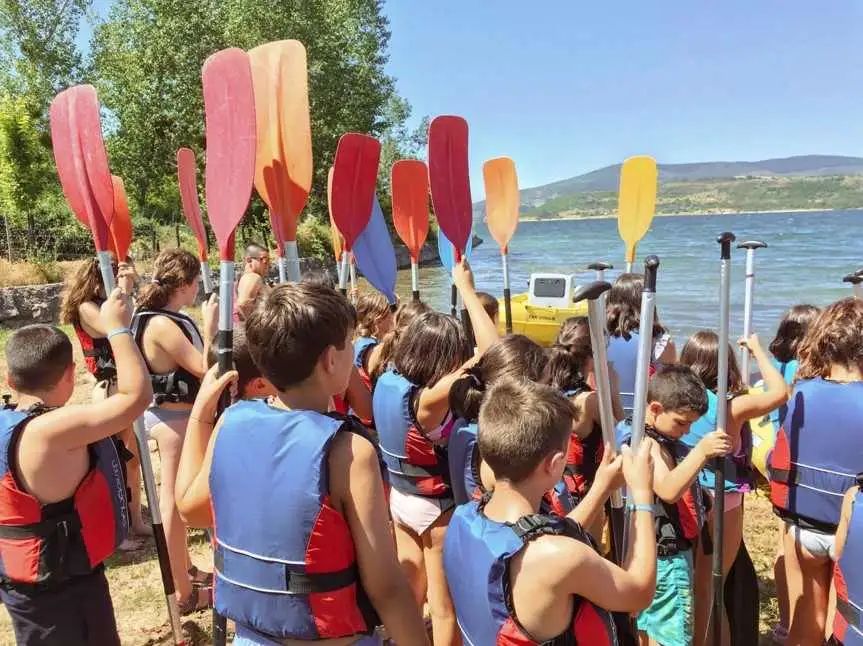
At this age is common that kids don’t have an interest on monothemes summer camps. That’s why more parents put their view in multiactivities camps, that mixes learning, adventures, sports, nature, and obviously meet new people. An experience that help the children taste different things and have more knowledge about what they like and prove new things.
Pro tip: Let your child be part of the decision process. Choosing a camp together builds excitement and eases nerves.
Ages 13–15: Leadership & specialty camps
Teens in this age group are often ready for more independence, personal growth, and focused experiences. This is the ideal time for specialty camps, travel programs, or Counselor-in-Training (CIT) programs.
Whether their interests lie in sports, the arts, STEM, or leadership, teens benefit from camps that challenge them and foster skills for future roles. These programs emphasize personal responsibility, teamwork, and leadership.
International camps can also offer a unique multicultural experience—an opportunity to build global friendships, gain new perspectives, and boost motivation and confidence.
Ages 16+: Junior counselors & beyond
Older teens often transition from campers to leaders. Becoming a junior counselor or participating in a leadership program helps them gain job skills, build their resumes, and give back to the camp community they’ve grown up in.
But being a counselor isn’t the only option. Teens can still attend camps for personal growth and learning new skills, and especially, learning new languages. Immersive language camps abroad, like those in Spain, offer a fantastic opportunity. Not only is Spain an excellent place to learn Spanish, but its warm, friendly culture makes it ideal for international campers.
Final Thoughts: Every Child Is Different
There’s no one-size-fits-all answer to when a child should start summer camp. The right time depends on your child’s readiness, maturity, and interests. Start small, communicate openly with your child, and choose a camp that fits your family’s values.
Summer camp can be a life-changing experience and it all begins at the right time. If you’ve decided you’re ready and are considering an international camp full of activities, adventure, and Spanish language learning, we invite you to explore our programs.
Questions? Feel free to contact us—we’re here to help.